
Sangetsu USA

Our Story

A practice rooted in beauty, balance, and quiet attention.

Ikebana Sangetsu USA shares the Japanese art of flower arrangement as both a creative discipline and a contemplative practice. Our programs are designed to help students slow down, observe nature closely, and create arrangements with intention.

Our Mission

We teach Ikebana as a living art form that supports creativity, focus, and a deeper connection to seasonal materials. Every class invites students to explore line, form, space, and balance in ways that feel calm, practical, and expressive.

Through classes, workshops, and demonstrations, Ikebana Sangetsu USA aims to make this tradition approachable for beginners while still meaningful for returning students who want to deepen their practice over time.
What Makes Ikebana Different

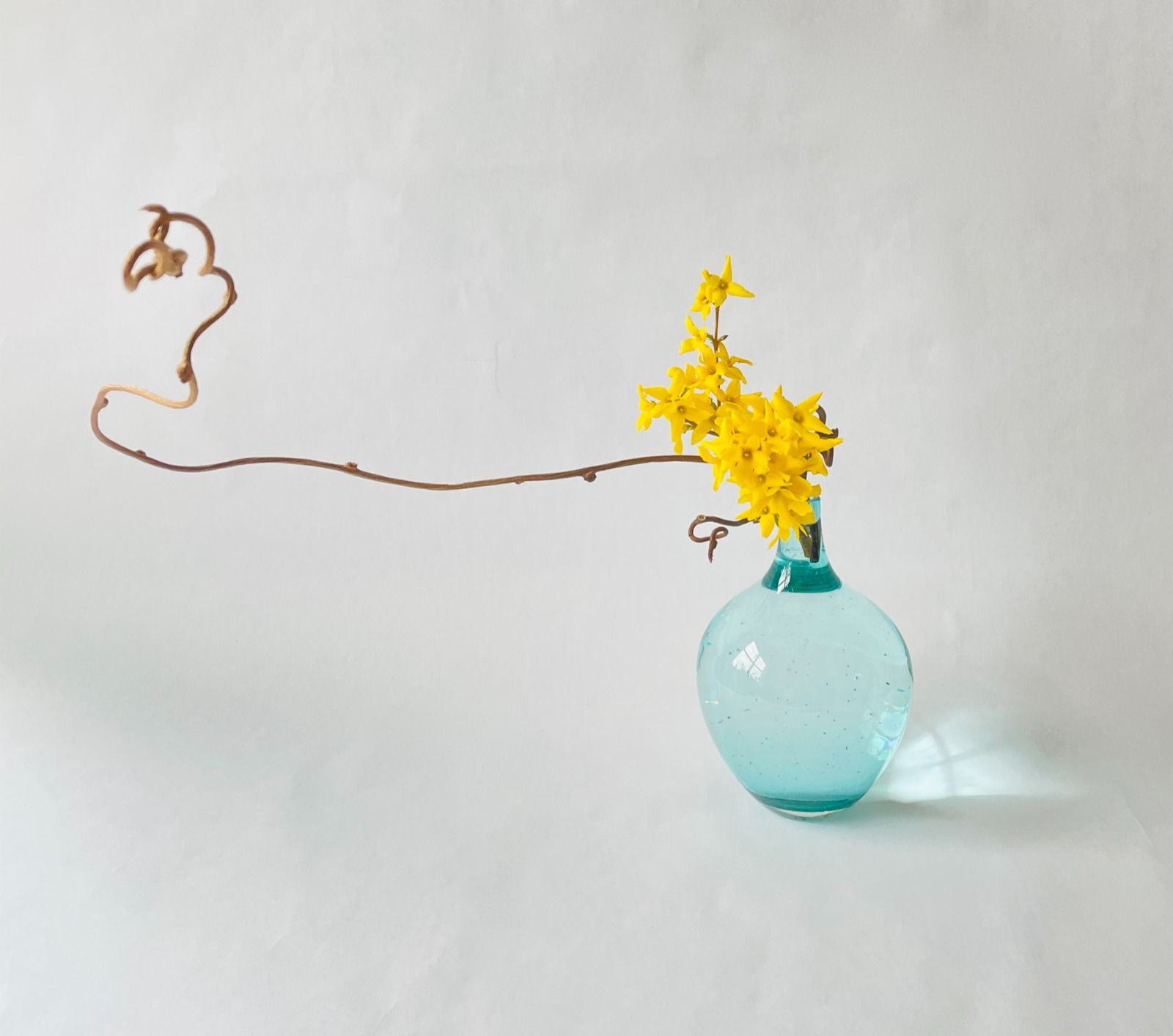
Ikebana is not simply about placing flowers in a vase. It emphasizes movement, asymmetry, negative space, and the relationship between branches, blooms, and container.

The result is an arrangement that feels intentional rather than decorative alone, and a process that encourages patience, observation, and reflection.

Teaching Approach

We balance technique with encouragement. Students learn core principles, then apply them through guided arrangements that build confidence and individual expression.

Who We Serve

Our programs welcome curious beginners, artists, wellness-focused learners, and anyone interested in Japanese aesthetics, floral design, or mindful creative practice.

What Students Gain

Students leave with more than an arrangement. They develop visual awareness, care with materials, and a repeatable process for making space for beauty in everyday life.

Ikebana arrangement in a traditional vase

Origin and Meaning

The word Ikebana is commonly understood as “making flowers come alive.” In Sangetsu practice, that idea extends beyond arrangement technique and into the feeling an arrangement creates through restraint, rhythm, and harmony.

This is why careful branch selection, container choice, and the use of open space matter as much as the flowers themselves.